
Custom home movie theaters offer an unparalleled cinematic experience. Beyond the typical home theater setup, a custom-designed space allows for tailored features and enhanced immersion. This guide delves into the key aspects of designing, building, and maintaining your dream home theater, from initial planning to ongoing maintenance.
This comprehensive guide covers everything from the essential design considerations, including acoustics and seating, to the technical aspects of projectors, screens, and sound systems. Budgeting and planning are also addressed, alongside practical maintenance tips for preserving your investment.
Introduction to Custom Home Movie Theaters
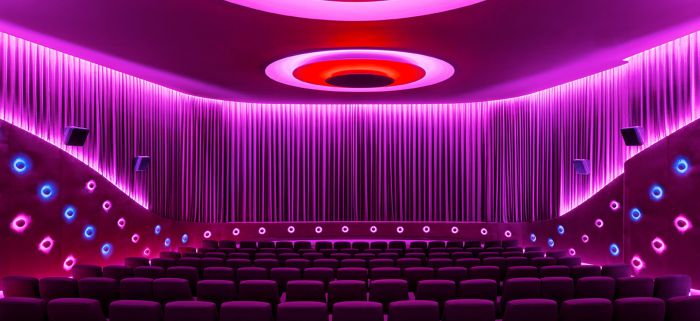
A custom home movie theater transcends the typical home entertainment setup, transforming a dedicated space into an immersive cinematic experience. It’s not merely a room with a screen and speakers; it’s a meticulously designed environment tailored to the specific needs and preferences of the homeowner. The goal is to replicate the theatrical experience as closely as possible within the comfort and privacy of one’s own home.This personalized approach goes beyond simply selecting a TV and speakers.
It involves careful consideration of acoustics, seating arrangements, lighting, and even the overall aesthetic of the space. The resulting theater is a testament to the homeowner’s passion for cinema and their commitment to creating a unique and enjoyable entertainment hub.
Key Features Distinguishing a Custom Home Theater
A custom home theater stands apart from a standard setup through a number of crucial design elements. These elements prioritize both visual and auditory immersion. Beyond the obvious components like the projector or screen, a custom theater emphasizes a holistic approach to the viewing experience. This includes specialized seating, calibrated sound systems, and acoustical treatments tailored to minimize reflections and maximize clarity.
Such features significantly enhance the overall quality of the viewing experience, making it more akin to a professional-grade setup.
Types of Custom Home Movie Theaters
Custom home theaters manifest in various forms, catering to different needs and lifestyles. They range from dedicated rooms, to integrated spaces, to home theater additions. Each type offers a unique balance of functionality, privacy, and integration with the rest of the home.
- Dedicated Rooms: These theaters are entirely separate rooms, often designed from the ground up. This dedicated space maximizes privacy and allows for a more complete focus on the cinematic experience, free from distractions.
- Integrated Spaces: These theaters are integrated into existing living areas, often using flexible design elements to create a seamless transition between entertainment and relaxation. While not as private as a dedicated room, they allow for a blend of functionality and integration with the home’s aesthetic.
- Home Theater Additions: These theaters are often additions to existing homes, utilizing existing floor plans and adding a dedicated theater area. The size and layout can be highly variable, depending on the existing structure and desired features.
Advantages of a Custom Home Theater
A custom home theater offers a plethora of advantages over pre-built or standard home theater setups. The most significant advantage is the ability to tailor the space to the specific needs and preferences of the user. This personalized approach translates into an enhanced viewing experience, superior audio, and a higher level of comfort. Furthermore, the integration of advanced technologies allows for a level of customization not found in mass-produced setups.
| Feature | Dedicated Room | Integrated Space | Home Theater Addition |
|---|---|---|---|
| Size | Large | Medium | Variable |
| Privacy | High | Medium | Variable |
Design Considerations
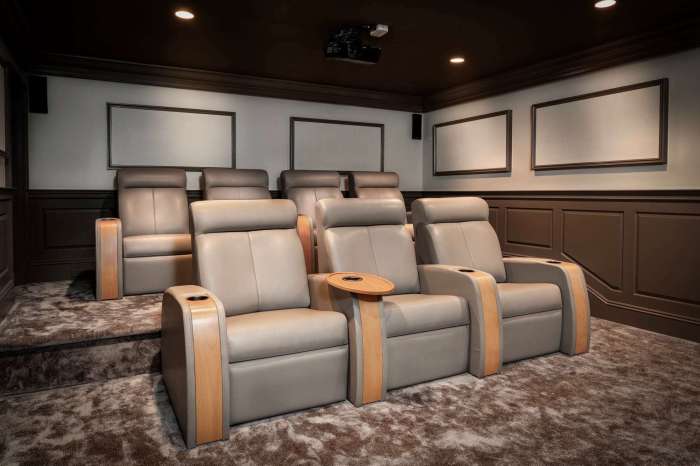
Creating a custom home movie theater is more than just assembling components; it’s about crafting an immersive experience. Careful consideration of design elements is crucial to achieving the desired cinematic quality and ambiance. These considerations ensure that the theater not only looks impressive but also performs optimally, delivering a truly exceptional viewing experience.A well-designed home theater is meticulously planned to maximize sound and visual quality.
Every aspect, from the seating arrangement to the projection system, contributes to the overall enjoyment. The meticulous attention to detail ensures a space where every element harmoniously combines to provide an unforgettable movie-going experience.
Acoustic Design
Proper acoustic design is paramount in a home theater. Sound quality is directly impacted by the room’s shape, size, and materials. The use of acoustic treatments, such as sound-absorbing panels and bass traps, helps to minimize echoes and reverberations, crucial for clear dialogue and powerful bass. Poor acoustics can significantly degrade the movie-watching experience, obscuring dialogue and creating a muddled soundstage.
Proper acoustic design creates a balanced audio environment, crucial for achieving a true cinematic experience.
Screen Size and Placement
Screen size and placement significantly influence the viewing experience. The ideal screen size is dependent on the viewing distance, typically calculated as a ratio of the screen diagonal to the viewing distance. A larger screen, while visually impressive, may not be optimal if the viewing distance is too short. Conversely, a smaller screen at an excessive distance may result in a less detailed and engaging experience.
Proper placement of the screen, ensuring it’s positioned perpendicular to the projection, is essential to avoid distorted images. A carefully calculated position and size of the screen contribute to an immersive and captivating viewing experience.
Seating Arrangement and Comfort
Seating arrangement and comfort are vital for an enjoyable viewing experience. The number of seats, their style, and their placement should be carefully considered to accommodate the intended audience and the room’s layout. High-quality, comfortable seating is crucial for a long movie-watching session. A variety of seating options are available, from traditional armchairs to reclining chairs, or even stadium seating.
Considerations such as legroom and backrest adjustments are critical for comfort during extended viewings. An ideal seating arrangement enhances the overall comfort and enjoyment of the movie experience.
| Seating Type | Pros | Cons |
|---|---|---|
| Reclining Chairs | Comfort, flexibility for various body types | Can be space-consuming |
| Stadium Seating | Maximizes space efficiency | Limited comfort, potentially restrictive for certain body types |
| Modular Seating | Versatile, customizable to room size and preferences | Installation complexity, higher cost |
Projection Systems
Different projection systems offer varying capabilities and features. Digital projectors, in particular, provide flexibility in resolution and brightness. The choice of projection system depends on the desired resolution, brightness, and budget. Each system has its strengths and weaknesses, from the resolution of the image to the light output and color accuracy. A thorough understanding of the various systems will enable informed decision-making for the best fit for the home theater.
Lighting Design
Lighting design plays a significant role in setting the ambiance of the home theater. Dimmable lights, strategically placed, can create a captivating atmosphere that enhances the cinematic experience. The use of ambient lighting can enhance the overall mood, transitioning between scenes and films, creating a more immersive and captivating environment. Careful consideration of lighting levels and colors can dramatically enhance the experience, from subtle adjustments to the overall ambiance.
Technology and Equipment
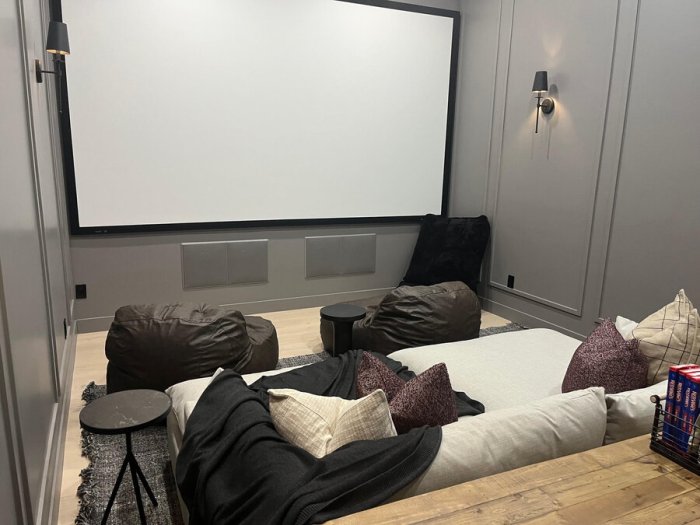
High-quality home theater experiences hinge significantly on the proper selection of technology and equipment. Careful consideration of sound systems, projectors, screens, and surround sound contributes substantially to the immersive and enjoyable atmosphere. This section will delve into the various options available and their impact on the overall home theater experience.
Sound Systems
Choosing the right sound system is critical for a compelling audio experience. Different systems offer varying degrees of fidelity and encompass a wide spectrum of price points. From basic 5.1 systems to sophisticated 7.1 or even 9.1 configurations, the selection depends on the desired level of realism and immersion. The number of speakers, their placement, and the type of speaker technology used all influence the final audio quality.
A more comprehensive system with dedicated speakers for height channels or surround back channels can create a more immersive soundscape, accurately placing sounds within the movie scene.
Projectors
Projectors are the heart of the visual experience in a home theater. Various types of projectors exist, each with its strengths and weaknesses. Digital Light Processing (DLP) projectors are a popular choice due to their cost-effectiveness and relatively high brightness. Liquid Crystal Display (LCD) projectors are known for their vivid colors, while Laser projectors offer a longer lifespan and exceptional image quality.
Ultimately, the best projector for a particular home theater depends on factors such as budget, desired resolution, and the size of the screen.
Screens
The choice of screen significantly affects the picture quality and viewing experience. Different screen materials and technologies influence the clarity, contrast, and overall picture. A high-quality matte white screen with a smooth surface minimizes light reflection, resulting in a sharper and more detailed image. Projector-specific screens designed for specific technologies or resolutions can enhance the projection’s overall performance.
Screen size is also a key consideration, as larger screens provide a more cinematic viewing experience.
Surround Sound Systems, Custom home movie theater
Surround sound systems are crucial for creating a truly immersive audio experience. These systems use multiple speakers strategically placed around the viewing area to deliver sound from all directions, simulating the sounds of a movie theater. With more speakers and advanced processing, the listener can perceive the sounds coming from specific directions in the movie scene, enhancing the realism and immersion.
The number of channels (e.g., 5.1, 7.1) and the quality of the speakers directly influence the overall audio quality.
Projector Specifications
The table below provides a comparative overview of various projector models, highlighting key specifications. These models illustrate the range of options available and the relationship between resolution, brightness, and price.
| Projector Model | Resolution | Brightness (lumens) | Price |
|---|---|---|---|
| Model A | 4K | 3000 | $1500 |
| Model B | 8K | 5000 | $3000 |
| Model C | 4K | 4000 | $2000 |
| Model D | 1080p | 2000 | $800 |
Budgeting and Planning

Crafting a custom home movie theater requires careful budgeting and planning to ensure the project aligns with your vision and financial constraints. Thorough research and realistic estimations are crucial to avoid unexpected costs and maintain a smooth project execution. This section delves into the key factors that influence the budget, explores cost comparisons, and offers practical strategies for effective planning.Understanding the factors that contribute to the overall cost is essential.
The cost of a custom home theater isn’t solely determined by the equipment; design choices, materials, and labor play significant roles. Factors like the size of the space, the desired level of sophistication, and the complexity of the installation directly impact the final price tag.
Factors Influencing Cost
The cost of a custom home movie theater is influenced by a multitude of factors. The size of the room, for instance, directly impacts the size of the screen and sound system needed, as well as the overall cost of construction and materials. The desired level of luxury also plays a crucial role, affecting everything from the quality of the seating to the complexity of the sound system.
Moreover, the sophistication of the control system and the integration of other home automation features significantly impact the budget. Finally, labor costs, which can vary widely based on local market rates and the complexity of the project, are an important consideration.
Comparing Material and Equipment Costs
Different materials and equipment for a home theater will naturally have different price points. High-end projectors, for example, often come with advanced features and superior image quality, but command a substantially higher price than more affordable models. Similarly, premium sound systems with numerous speakers and advanced processing units will significantly increase the budget compared to simpler systems. The choice of screen material also impacts the cost, with higher-end options like motorized or acoustically treated screens leading to a greater expenditure.
Creating a Realistic Budget
Developing a realistic budget requires a step-by-step approach. First, establish a detailed scope of work that clearly defines the desired features and functionality of the theater. Next, research and compare prices from different vendors for similar products and services. Obtain multiple quotes from contractors and installers to ensure accurate cost estimations. It is wise to allocate a contingency fund to account for unforeseen expenses that may arise during the project.
Furthermore, prioritizing essential features versus luxury additions will help maintain a balanced budget.
Design Styles and Costs
Different design styles for a home theater will influence the associated costs. A minimalist design, for example, might focus on a simple, clean aesthetic, potentially resulting in lower costs. Conversely, a more opulent design that incorporates high-end furnishings and elaborate finishes will likely command a higher price. The selection of premium seating materials and the incorporation of elaborate lighting systems can significantly affect the overall cost.
Ultimately, the chosen design style and desired level of sophistication directly impact the budget.
Breaking Down the Budgeting Process
A well-structured budgeting process for a home theater project should be broken down into manageable stages. First, allocate funds for initial design consultations, blueprints, and permits. Second, set aside a budget for the purchase of equipment, including the projector, screen, and sound system. Third, establish a separate budget for installation and labor costs. Finally, create a contingency fund to cover unexpected expenses.
These steps ensure a controlled and organized approach to budgeting.
Estimated Costs for Home Theater Components
| Component | Estimated Cost |
|---|---|
| Projector | $1500-$5000 |
| Screen | $500-$2000 |
| Sound System | $500-$10000 |
| Installation | $1000-$5000+ |
| Construction (if applicable) | Variable, depending on room size and complexity |
| Control System | $500-$5000+ |
Note: These are estimated costs and may vary based on specific choices and local market conditions.
Maintenance and Considerations: Custom Home Movie Theater

Maintaining a custom home movie theater requires proactive care to ensure optimal performance and longevity. Proper upkeep not only preserves the investment but also enhances the viewing experience. Consistent cleaning and attention to potential issues are crucial for a consistently enjoyable home theater environment.Thorough maintenance extends the life of your equipment, prevents costly repairs, and ensures a consistently high-quality viewing experience.
Understanding the potential issues and their solutions is vital for maintaining a well-functioning and enjoyable home theater.
Equipment Cleaning and Upkeep
Regular cleaning is paramount to preserving the functionality and aesthetics of your home theater equipment. This includes cleaning the projector lens, screen, and audio components. Dust accumulation can significantly degrade image quality and sound clarity. Routine cleaning minimizes the risk of malfunctions and extends the life of your investment.
- Projector lenses should be cleaned with a microfiber cloth and appropriate lens cleaning solution. Avoid using harsh chemicals or abrasive materials.
- Screen surfaces should be cleaned regularly with a soft, dry cloth to prevent dust buildup and maintain image clarity.
- Audio components, including speakers and amplifiers, should be dusted regularly with a soft brush or cloth.
- Avoid using excessive force when cleaning to prevent damage to delicate components.
Troubleshooting Potential Issues
Various components within a home theater system can encounter issues. Addressing these promptly is key to maintaining a seamless viewing experience.
- Projector Problems: If the projector displays blurry images, check the lamp, lamp housing, and lens for debris. Ensure proper cooling ventilation. If issues persist, consult the manufacturer’s troubleshooting guide or a qualified technician.
- Audio Issues: If audio distortion or static occurs, check the cables, speaker connections, and amplifier settings. A qualified technician can identify any underlying electrical issues.
- Screen Problems: A damaged or warped screen can affect image quality. Regular inspection and proper handling can prevent such issues.
- Connectivity Problems: Check all connections and cables for proper seating and integrity. Ensure the correct input/output settings on all devices.
Ventilation and Climate Control
Maintaining proper ventilation and climate control is essential for optimal equipment performance and longevity. Excessive heat or humidity can damage sensitive components. Appropriate ventilation ensures proper cooling and prevents condensation.
- Ensure sufficient airflow around the projector, speakers, and other equipment to prevent overheating. Proper ventilation ensures that components operate within their optimal temperature range.
- Maintain a consistent room temperature to avoid moisture buildup, which can damage electronics and affect sound quality.
- Use a dehumidifier if necessary in high-humidity environments to prevent moisture damage.
- Regularly check the HVAC system to ensure adequate air circulation and temperature regulation within the home theater.
Preventative Maintenance Tasks
A proactive maintenance schedule can help prevent costly repairs and ensure a consistently high-quality home theater experience.
- Regular Inspections: Inspect all components for signs of wear and tear. Visual checks for dust buildup, loose connections, or other issues are vital.
- Cable Management: Properly manage cables to prevent tripping hazards and ensure optimal signal transmission.
- Firmware Updates: Keep all equipment updated with the latest firmware releases. These updates often include performance enhancements and bug fixes.
- Professional Cleaning and Inspection: Consider professional cleaning and inspections of complex equipment at least annually. This ensures thorough checks and preventive measures for optimal performance.
Common Problems and Solutions
Understanding common issues and their solutions can save time and money.
| Problem | Solution |
|---|---|
| Projector image flickering | Check lamp connections, lamp housing, and ventilation. Consult a technician if the issue persists. |
| Sound crackling | Inspect cables, speaker connections, and amplifier settings. Consider replacing damaged components. |
| Screen discoloration | Check for damage or warping. Proper handling and storage can prevent these issues. |
| Device not connecting | Ensure all cables are properly seated, check device settings, and confirm compatibility. Consult a technician if needed. |
Conclusion
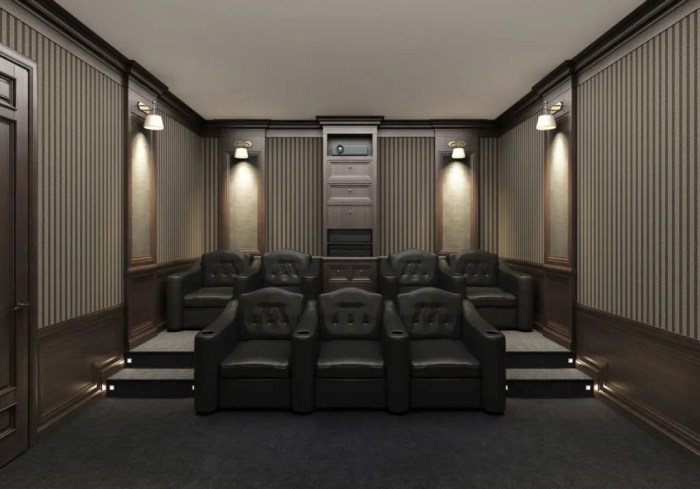
Creating a custom home movie theater is a significant undertaking, but the rewards are immense. By carefully considering design elements, technology choices, and budget planning, you can achieve an immersive cinematic experience that enhances your home entertainment. Remember that meticulous planning and maintenance are key to ensuring long-term enjoyment.
Helpful Answers
What are the typical costs associated with different types of home theater seating?
Reclining chairs, while comfortable, often command a higher price point than more space-saving options like stadium seating. The difference in cost stems from the features and materials involved in the construction.
How can I optimize the acoustics of my custom home theater?
Proper acoustics are crucial for an immersive audio experience. This involves strategically placing sound-absorbing and diffusing materials to minimize echoes and reverberations. Professional consultation with an acoustics specialist is highly recommended.
What are the pros and cons of different projection systems?
Projector technology varies greatly in resolution, brightness, and price. Higher resolution projectors offer sharper images, while brighter models are better suited for larger screens and brighter environments. Consider your budget and viewing conditions when making your choice.
What are the key factors that influence the overall cost of a custom home theater?
Factors influencing cost include the size of the room, the complexity of the design, the quality of materials used, and the specific technology chosen. Detailed planning and accurate estimations are crucial for a realistic budget.