

Ancient civilizations movies offer a captivating glimpse into the past, transporting viewers to eras of empires, myths, and monumental achievements. These films explore a vast array of genres, from historical dramas to action-packed adventures, each with its own unique perspective on these fascinating cultures.
This exploration delves into the cinematic portrayals of ancient civilizations, examining the diverse themes, historical accuracy, cultural impact, and visual storytelling techniques employed in these films. We will also consider how these portrayals resonate in popular culture beyond the silver screen.
Ancient Civilization Movie Genres

Films about ancient civilizations frequently blend historical accuracy with creative license, captivating audiences with diverse storytelling approaches. These films often aim to educate and entertain, while also reflecting contemporary cultural perspectives on the past.
Common Genres in Ancient Civilization Films
Films depicting ancient civilizations often fall into several genres, each with distinct characteristics and storytelling conventions. This exploration provides a structured overview of the common genres found in these cinematic portrayals.
- Historical Drama: This genre aims to depict the historical events and social structures of a specific ancient civilization, often focusing on the lives and conflicts of individuals within the context of the time period. Historical dramas prioritize accuracy in settings, costumes, and customs, often emphasizing the human experience through compelling narratives of political struggles, personal relationships, and societal transformations.
Examples include
-Cleopatra* and
-Gladiator*. Key elements include detailed research, meticulous recreation of historical environments, and character arcs grounded in the social and political realities of the era. - Fantasy: Ancient civilization films incorporating fantasy elements often blend historical accuracy with fictional elements, adding mythical creatures, supernatural powers, and other fantastical elements to the narrative. This genre can range from films with a light touch of magic to those with highly elaborate and fantastical plots. These films typically deviate significantly from historical accounts, often prioritizing entertainment value over strict historical accuracy.
Examples include
-Clash of the Titans* and
-The Mummy*. Key characteristics include fantastical elements, mythical beings, and a narrative that transcends realistic historical constraints. - Action: Action-oriented films about ancient civilizations typically focus on physical conflicts, battles, and heroic figures. These films frequently feature large-scale battles, intense chases, and thrilling displays of prowess and courage. These films often prioritize spectacle and excitement over in-depth historical analysis. Examples include
-300* and
-The Gladiator*. Essential elements include intense fight sequences, compelling action set pieces, and the portrayal of characters as warriors and heroes. - Adventure: Films emphasizing ancient civilizations often present adventures as their central narrative. The genre frequently involves exploration, discovery, and the overcoming of obstacles in unknown or exotic locations. Examples include
-Indiana Jones* series. These films often emphasize a sense of exploration, discovery, and the challenges of navigating unfamiliar terrains and cultures.
Genre Comparison: Historical Drama vs. Fantasy
Comparing and contrasting the historical drama and fantasy genres reveals distinct approaches to storytelling and the depiction of ancient civilizations.
| Genre 1 | Genre 2 |
|---|---|
| Historical Drama | Fantasy |
| Primarily focuses on historical accuracy and portrays ancient civilizations as they were, emphasizing realistic depictions of social structures, conflicts, and daily life. | Blends historical settings with fictional elements, often introducing mythical creatures, supernatural powers, or fantastical narratives. |
| Character motivations and actions are grounded in historical context and societal norms. | Characters often possess extraordinary abilities or motivations stemming from fantastical elements, transcending the constraints of historical reality. |
| Emphasis on meticulous research and recreation of the historical period, often employing historical consultants to ensure authenticity. | Less emphasis on strict historical accuracy; the narrative takes precedence, allowing for greater creative freedom in plot development and characterization. |
Examples:
|
Examples:
|
Popular Themes and Motifs
Films about ancient civilizations frequently explore a range of themes, drawing inspiration from historical events and cultural narratives. These films often grapple with complex issues such as power struggles, the search for knowledge, and the enduring impact of the past on the present. The choice of motifs and symbols frequently deepens the film’s exploration of these themes, adding layers of meaning and visual interest.These films often utilize familiar themes to engage viewers.
The adaptations, however, can differ significantly, depending on the specific focus and target audience of the film. Some films might emphasize the political intrigue and warfare, while others might delve into the philosophical and spiritual aspects of the civilization. The choice of which themes to highlight and how to present them profoundly shapes the film’s narrative and impact.
Recurring Themes
Ancient civilizations offer a rich tapestry of human experience, providing ample material for exploring recurring themes in film. War, discovery, mythology, and political intrigue are frequently central to these narratives. These themes are often presented in a dramatic fashion, highlighting the conflicts, struggles, and triumphs of the era. Sometimes, films emphasize the societal structures, cultural norms, and beliefs of the ancient civilizations, exploring the motivations behind their actions.
The themes are frequently adapted and reinterpreted to suit the specific narrative, and the director’s vision.
Portrayal of Specific Themes in Different Films
Comparing the portrayal of war in “Cleopatra” (1934) and “The 10 Commandments” (1956) reveals distinct approaches. “Cleopatra” depicts the political maneuvering and military conflicts of the Ptolemaic era through a more nuanced and glamorous lens, focusing on the motivations of powerful individuals and their impact on society. In contrast, “The 10 Commandments” portrays war as a struggle between good and evil, with a more simplistic and moralistic perspective.
Typical Motifs and Symbols
The use of motifs and symbols is vital in creating atmosphere and conveying deeper meanings.
- Pyramids: These monumental structures symbolize power, immortality, and the connection between the earthly and spiritual realms. In films, they are frequently depicted as enigmatic and awe-inspiring, evoking a sense of mystery and wonder.
- Hieroglyphics: Ancient scripts, like hieroglyphs, are frequently used as visual clues to unlock secrets, revealing hidden histories or prophecies. They often represent the wisdom and knowledge of the past, adding a layer of intellectual intrigue to the film.
- Masks and costumes: The costumes and masks used in ancient civilizations often reflect cultural identity and social status. They are frequently used in films to convey information about the characters’ roles and the society they inhabit.
Historical Accuracy and Representation
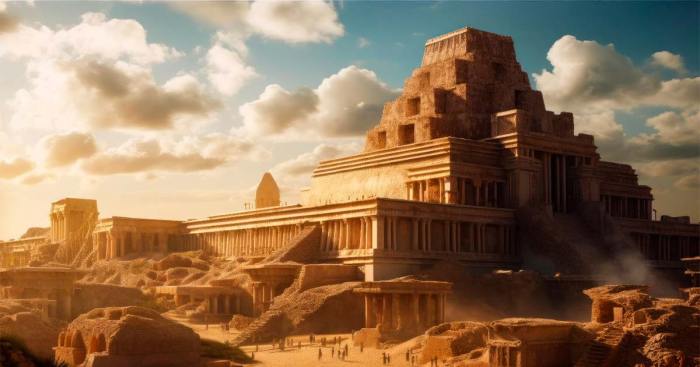
Films depicting ancient civilizations often strive for historical accuracy, but varying degrees of success are observed. The portrayal of these cultures can be influenced by the filmmaker’s interpretation, cultural biases, and the need to create a compelling narrative. This often results in a complex interplay between historical fidelity and artistic license.Filmmakers face a significant challenge in balancing the need for entertainment with the imperative to present a nuanced and accurate depiction of ancient societies.
This involves navigating complex historical data, understanding cultural nuances, and representing diverse perspectives within the constraints of a cinematic medium. Such considerations can lead to varying degrees of historical accuracy and potential biases in the portrayal of these civilizations.
Varying Degrees of Historical Accuracy, Ancient civilizations movies
Film depictions of ancient civilizations demonstrate a spectrum of historical accuracy. Some films meticulously research and incorporate archaeological findings, striving for a relatively accurate representation of the period and culture. Others take significant liberties, prioritizing dramatic effect over strict adherence to historical details. The degree of accuracy is often influenced by the film’s genre, target audience, and budget constraints.
For instance, historical epics often prioritize grandeur and spectacle, potentially sacrificing precision for visual appeal. Conversely, documentaries and historical dramas may focus on a higher level of accuracy.
Cultural Depictions and Potential Biases
Filmmakers’ portrayals of ancient cultures and societies can reflect their own cultural perspectives and biases. This can manifest in the representation of gender roles, social structures, and religious beliefs. These representations can inadvertently reinforce stereotypes or offer an incomplete picture of the complexity of the ancient world. For example, a film might depict a specific ancient civilization with a particular emphasis on warfare, potentially overlooking the significant aspects of their culture, like trade or art.
Alternatively, certain roles or perspectives may be highlighted while others are overlooked.
Historical Inaccuracies and Simplifications
Several historical inaccuracies and simplifications are common in films about ancient civilizations. These can range from misrepresenting attire and architecture to oversimplifying complex political systems and social structures. Ancient technologies, for instance, are often simplified or entirely fabricated to fit the narrative or visual needs of the film. The portrayal of specific events may also be subject to artistic license, rather than a meticulous reconstruction of historical evidence.
For example, the depiction of warfare might not accurately reflect the tactics or weaponry of the period.
Misrepresentation and Oversimplification of Ancient Technologies
Ancient technologies, frequently central to the lives of civilizations, are often misrepresented or oversimplified in films. The complexity of construction techniques, agricultural methods, and toolmaking processes can be reduced to visually appealing, but inaccurate, representations. Sometimes, fictional technologies are incorporated to enhance the narrative, further diverging from historical reality. For instance, depictions of ancient irrigation systems might not reflect the intricate engineering involved, or a portrayal of weaponry might not match the actual design and functionality.
This simplification can lead to an incomplete or misleading understanding of the technological achievements of the time.
Cultural Impact and Reception
Films about ancient civilizations often shape public perceptions of those eras, influencing not only popular understanding but also academic interpretations. These cinematic portrayals can be powerful tools for education and engagement, sparking interest in history and fostering a deeper appreciation for diverse cultures. However, the accuracy and representational aspects of these films are crucial to consider when evaluating their impact.These cinematic portrayals of ancient civilizations can have a significant impact on the public’s understanding of these eras.
The portrayal of specific civilizations, their customs, and beliefs can profoundly affect how people perceive them. Positive portrayals can foster a sense of appreciation and respect for these cultures, while inaccurate or stereotypical depictions can perpetuate harmful misconceptions and misunderstandings.
Examples of Influential Films and Their Impact
Films like “Ben-Hur” and “Cleopatra” have had a lasting impact on public perceptions of ancient Rome and Egypt, respectively. “Ben-Hur” presented a dramatic interpretation of the Roman world, highlighting gladiatorial contests and political intrigue. While embellished, the film contributed to the public’s fascination with ancient Roman culture. Similarly, “Cleopatra” portrayed a powerful and captivating female figure, which influenced popular perceptions of the Egyptian queen and her reign.
Cultural Reception of Different Films
The cultural reception of films about ancient civilizations varies widely, depending on the specific civilization depicted, the film’s artistic merit, and the prevailing cultural context. Films that accurately reflect historical realities and diverse perspectives are generally well-received. Conversely, films that rely on stereotypes or inaccuracies may face criticism and potentially contribute to negative public perceptions.
Potential Impact on Understanding Ancient Cultures
Films about ancient civilizations can significantly influence the understanding of these cultures. Well-crafted films can provide audiences with a visual and dramatic entry point to historical periods, sparking further research and interest in the subject matter. They can stimulate discussions about ancient societies and the issues of their time, offering unique insights into daily life, politics, and societal structures.
Critical Reception of Specific Movies
The critical reception of films about ancient civilizations often depends on factors such as historical accuracy, artistic merit, and the portrayal of different cultures. For example, the historical drama “The Gladiator” was widely praised for its visually stunning depiction of Roman society, yet some critics pointed out inaccuracies in the portrayal of specific events or customs. This highlights the importance of considering both the artistic and historical aspects when evaluating such films.
Visual Storytelling and Cinematic Techniques: Ancient Civilizations Movies
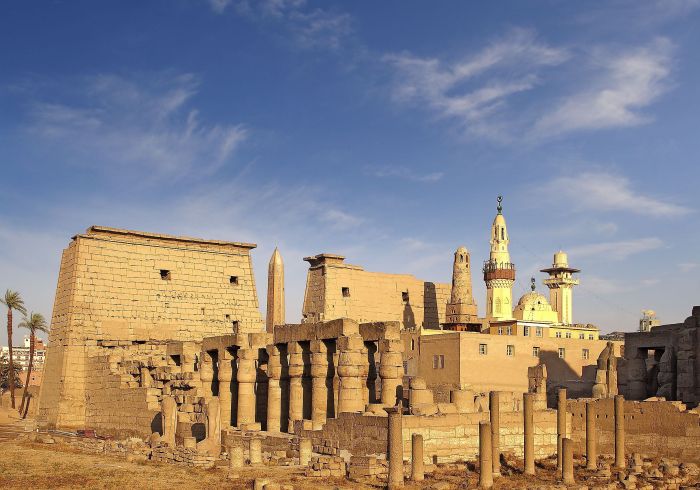
Ancient civilizations films often strive to transport audiences to another time and place, immersing them in the culture and grandeur of past eras. This requires meticulous attention to visual storytelling, leveraging cinematic techniques to depict the period accurately and evoke the desired emotional response. Visual elements, including settings, costumes, and special effects, play a crucial role in achieving this immersive experience.Filmmakers employ a variety of techniques to create a sense of authenticity and historical depth.
The choice of locations, the design of costumes, and the use of special effects all contribute to the overall atmosphere and enhance the audience’s understanding of the period being depicted. By employing these techniques, filmmakers can create a tangible connection with the past, bringing ancient civilizations to life on the big screen.
Depiction of Ancient Settings
The visual representation of ancient settings is fundamental to establishing a sense of time and place. Filmmakers meticulously research and recreate environments that reflect the specific geographical and architectural characteristics of the civilizations they portray. Locations are often chosen for their visual resemblance to the original historical sites. For example, a film set in ancient Egypt might use locations in modern-day Egypt with similar desert landscapes and ruins to evoke the atmosphere of the past.
Further, elaborate sets are often constructed to portray specific structures, from palaces to temples, incorporating details based on historical records and archaeological findings.
Costume Design and Accuracy
Accurate costume design is vital to conveying the historical context. The costumes in these films often serve as visual markers of social class, occupation, and cultural identity. Careful research is essential to ensure the accuracy of the garments and fabrics used. Fabric choices, patterns, and adornments reflect the materials and techniques available during the period. For instance, a film about the Roman Empire would incorporate the use of togas and tunics, crafted with fabrics that reflect the historical context.
Sometimes, the film will also depict the evolution of costume styles over time.
Cinematography and Special Effects
Cinematography plays a crucial role in establishing the visual mood and atmosphere. Camera angles, lighting, and color palettes can all be used to evoke specific emotions and enhance the storytelling. The use of long shots and wide angles can effectively convey the vastness and scale of ancient cities. Close-ups can highlight details in costumes or expressions on faces, adding depth to the characters.
Creating a Sense of Time and Place
Filmmakers use a range of techniques to create a sense of time and place. The use of period-appropriate music, sound design, and visual elements, such as lighting and color palettes, all contribute to this sense of immersion. Lighting, for example, can evoke the atmosphere of sunrise or sunset, reflecting the time of day and the historical context. This combination of visual and auditory cues helps to transport the audience to the specific time and place being depicted in the film.
Furthermore, the use of appropriate music, like period instruments or soundscapes, helps further create the desired effect.
Specific Cinematic Techniques
Various cinematic techniques are employed to enhance the visual storytelling in ancient civilization films. These include:
- Mise-en-scène: The overall arrangement of elements within the frame, including costumes, sets, and lighting, helps to create a specific mood and atmosphere. This is used to build the visual language and imagery of the film.
- Camera angles: Different camera angles, from high angles to low angles, can be used to convey power, vulnerability, or scale, further enhancing the visual story.
- Visual metaphors: The use of visual metaphors can effectively convey complex ideas and emotions. For instance, a sweeping shot of a vast desert landscape might symbolize the vastness and grandeur of a civilization.
These techniques contribute to the overall cinematic experience, enabling a more immersive and compelling narrative for the audience.
Ancient Civilizations in Popular Culture
Ancient civilizations hold a significant place in popular culture, captivating audiences across various media. From films to video games and books, these civilizations are frequently adapted and reinterpreted, often reflecting the cultural values and anxieties of the time. This exploration delves into how these civilizations are portrayed in different mediums and the influence films have on those portrayals.
Portrayals in Different Media
Ancient civilizations are presented in diverse ways across various forms of popular culture. Films, video games, and books often draw inspiration from historical records but also incorporate creative liberties and modern perspectives. These portrayals can vary significantly in their accuracy and representation, impacting how audiences perceive these historical periods.
Comparison of Film, Video Game, and Book Portrayals
A comparison across these media reveals a nuanced interplay of historical accuracy and creative license. Films frequently focus on a specific narrative, sometimes sacrificing comprehensive historical detail for a more engaging story. Video games, while sometimes employing historical settings, often prioritize gameplay mechanics and narrative structures, which may lead to different interpretations of ancient civilizations. Books, with their greater narrative depth, can offer a more detailed exploration of ancient cultures and their complexities.
| Film | Video Game | Book |
|---|---|---|
| Cleopatra (1934) | Assassin’s Creed series | The Histories by Herodotus |
| The Ten Commandments (1956) | Age of Empires series | The Iliad by Homer |
| Gladiator (2000) | Civilization series | The Histories by Polybius |
| Alexander (2004) | Rise of Kingdoms | Life of Alexander by Plutarch |
Influence of Films on Other Media
Films frequently set the stage for subsequent portrayals in other media. Visual representations, characterizations, and interpretations established in films often influence how ancient civilizations are depicted in video games and books. The cinematic portrayal of, for instance, ancient Egyptian pharaohs, may establish a particular archetype that is then echoed in video game character designs or fictional narratives within books.
Similarly, the way a film portrays a specific historical battle or event may become a common trope or framework used in other media.
Movie Analysis

This section delves into a specific film about an ancient civilization, analyzing its portrayal of history, cultural representation, and cinematic techniques. The chosen film provides a valuable case study to understand how filmmakers approach the complex task of translating historical epochs to the screen. It examines both the strengths and weaknesses of the movie’s storytelling approach.This analysis focuses onThe Mummy* (1932) to examine how a classic film from the early sound era depicted ancient Egypt, considering its historical context and cultural impact.
It will explore the movie’s attempt to portray the ancient Egyptian civilization while acknowledging the limitations of historical understanding and representation at the time of its production.
Historical Accuracy and Cultural Representation
The 1932The Mummy* presents a stylized and somewhat romanticized view of ancient Egypt. While not meticulously accurate in its depiction of Egyptian society, the film reflects the prevailing Egyptomania of the time. It draws on popular archaeological discoveries and the fascination with Egyptian mythology, but it also simplifies and occasionally distorts aspects of Egyptian religion, beliefs, and social structures to serve the narrative.
For example, the film’s portrayal of mummification and the afterlife emphasizes the supernatural and the macabre, potentially misrepresenting the complex religious beliefs surrounding these practices.
Strengths of Storytelling
The film excels in creating a compelling atmosphere and a sense of mystery surrounding the ancient civilization. The visual storytelling, combined with the use of music and sound effects, effectively immerses the audience in the imagined world of ancient Egypt. Its narrative structure, while not historically precise, captivates viewers with its suspenseful plot and iconic characters.
Weaknesses of Storytelling
The Mummy* falls short in its portrayal of Egyptian culture and societal norms. The movie’s depiction of Egyptian priests and daily life often relies on stereotypes and anachronistic elements, presenting a simplified and potentially inaccurate picture of the civilization. The portrayal of women in particular may reflect the patriarchal biases of the era.
Visual Storytelling and Cinematic Techniques
The 1932The Mummy* employs a variety of cinematic techniques to enhance the visual storytelling. The film heavily utilizes visual metaphors, utilizing symbolism to represent concepts such as death, the afterlife, and the power of ancient magic. The cinematography creates a distinct aesthetic, emphasizing the grandeur of ancient Egypt through elaborate sets and costumes. Special effects, while rudimentary by modern standards, were groundbreaking for the time and contribute to the film’s unique visual style.
The use of shadows and lighting further emphasizes the mystery and the supernatural elements of the story.
Movie Analysis: Table of Plot, Characters, and Setting
| Plot Points | Characters | Setting |
|---|---|---|
| A mummy awakens and seeks revenge. | Imhotep (the mummy), Anubis, Evelyn Carnahan | Ancient Egypt and modern-day England. |
| A search for the mummy’s lost tomb. | Ardeth Bay | Ancient Egyptian tombs and temples. |
| A battle between ancient evil and modern investigation. | Herbert, Dr. Jones | Various locations in the ancient Egyptian civilization. |
Evolution of Filmmaking Techniques
The portrayal of ancient civilizations in film has undergone significant transformations, mirroring the advancements in filmmaking technology and storytelling techniques over time. Early depictions often relied on limited resources, impacting the visual fidelity and narrative depth. As technology progressed, filmmakers could explore more elaborate visual representations, leading to more immersive and historically nuanced portrayals.
Early Silent Films and Their Limitations
Early attempts at depicting ancient civilizations in film, often associated with the silent era, faced considerable limitations. Cinematography was rudimentary, with limited camera movement and special effects. Sets and costumes were often basic, reflecting the technological constraints of the time. The narrative style, too, was less complex, relying heavily on visual metaphors and symbolism to convey information.
These films frequently prioritized spectacle and spectacle over historical accuracy. A notable example of these limitations is the film “Cleopatra” (1934), which, while groundbreaking for its time, relied heavily on stylized sets and costumes rather than meticulous historical reconstruction.
The Rise of Technicolor and Special Effects
The introduction of color film technology, notably Technicolor, revolutionized the visual presentation of ancient civilizations in cinema. Color brought vibrancy and realism to the depictions of costumes, environments, and artifacts, significantly enhancing the viewer’s experience. Simultaneously, the evolution of special effects allowed filmmakers to create more elaborate recreations of historical settings and events. The use of matte paintings and miniature models became more sophisticated, enabling the creation of visually striking and detailed landscapes.
Films like “Ben-Hur” (1959) showcased the advancements in special effects, including elaborate chariot races and spectacular battle sequences.
Technological Advancements and Historical Accuracy
Technological advancements, particularly in computer-generated imagery (CGI), have dramatically altered how ancient civilizations are depicted in film. CGI allows for the creation of realistic environments, characters, and artifacts, pushing the boundaries of visual storytelling. This advancement, while offering opportunities for greater historical accuracy, also raises concerns about the potential for artistic license and the accuracy of representations. The movie “Alexander” (2004) utilized CGI to create vast battle scenes and elaborate historical settings, although debates about historical accuracy remained.
Modern Approaches to Visual Storytelling
Modern filmmakers are increasingly employing sophisticated techniques to portray ancient civilizations, blending historical research with creative storytelling. This approach acknowledges the importance of historical accuracy, while also recognizing the need for compelling narratives. Films are now often supported by extensive historical consultations and research, ensuring that the visual representation aligns with the best available evidence. Recent films have striven to balance historical accuracy with compelling narratives, aiming for both authenticity and cinematic appeal.
Concluding Remarks
In conclusion, ancient civilizations movies have a significant role in shaping our understanding and appreciation of these historical periods. They serve as powerful tools for education and entertainment, inspiring audiences with tales of heroism, conflict, and cultural evolution. While often embellished for cinematic effect, these films offer a compelling lens through which to view the past and consider the enduring legacy of ancient societies.
FAQ Overview
What are some common historical inaccuracies in ancient civilizations movies?
Films often simplify complex historical events and cultures for dramatic effect. This can include oversimplifying political structures, misrepresenting technologies, and presenting a skewed view of social dynamics. While entertainment is paramount, accuracy should also be considered a vital element in these productions.
How do ancient civilizations movies influence public perception?
These films can shape public understanding of ancient societies, either positively or negatively. Successful portrayals can foster appreciation, while inaccurate portrayals can lead to misunderstandings. The cultural impact is profound and can extend beyond the movie-going experience.
Are there specific examples of how visual storytelling has evolved in ancient civilization films?
Early films often relied on simpler visual techniques. Later, advancements in special effects and cinematography have led to more detailed and immersive depictions of ancient settings and characters. These advancements have continually enhanced the viewing experience.
